AISEE - 2027 Online Scholarship Application Available

List of Top Biotechnology Colleges in India 2026: NIRF, Fees
2026 guide to the top biotechnology colleges in India: IITs, IISc, JNU, Jamia, BHU, SRM, VIT and more, with NIRF 2025 ranks, courses, entrances (JEE, CUET, GAT-B), fees and careers.
Choosing among the top biotechnology colleges in India is tricky for one simple reason: NIRF does not publish a separate biotechnology ranking. In this 2026 guide we rank the best biotech colleges using the closest official NIRF categories, Engineering for B.Tech programmes and University for B.Sc, M.Sc and research programmes, and explain courses, entrance exams, fees and careers.
Every rank below is from NIRF 2025 (released on 4 September 2025), because the NIRF 2026 results had not been officially published at the time of writing. Each rank was cross-checked against at least two independent sources that reproduce the official tables.
Quick answer: For B.Tech biotechnology, the strongest options are IIT Madras, IIT Delhi, IIT Kharagpur, IIT Roorkee and IIT Guwahati (all via JEE Advanced). For science-track biotech, IISc Bengaluru (BS via JEE Advanced or IAT) and JNU (M.Sc via GAT-B) lead. Among private universities, SRM, VIT, Manipal and Amity are popular, with much higher fees.
How we ranked: NIRF has no "Biotechnology" category. We used NIRF 2025 – Engineering ranks for institutes where you would study a B.Tech, and NIRF 2025 – University ranks for institutes known for B.Sc, BS or M.Sc biotechnology. These ranks reflect the whole institute, not only its biotech department.
Top 16 biotechnology colleges in India at a glance
| # | Institute | City | Type | NIRF 2025 rank (category) | Main biotech route |
|---|---|---|---|---|---|
| 1 | IIT Madras | Chennai | Institute of National Importance | 1 (Engineering) | B.Tech / Dual Degree Biological Engineering |
| 2 | IIT Delhi | New Delhi | Institute of National Importance | 2 (Engineering) | B.Tech Biochemical Engineering & Biotechnology |
| 3 | IISc Bengaluru | Bengaluru | Deemed university (public) | 1 (University) | BS (Research) with Biology major; PhD |
| 4 | IIT Kharagpur | Kharagpur | Institute of National Importance | 5 (Engineering) | B.Tech / Dual Degree Biotechnology & Biochemical Engg. |
| 5 | IIT Roorkee | Roorkee | Institute of National Importance | 6 (Engineering) | B.Tech Biosciences & Bioengineering |
| 6 | IIT Guwahati | Guwahati | Institute of National Importance | 8 (Engineering) | B.Tech Biosciences & Bioengineering |
| 7 | Jawaharlal Nehru University (JNU) | New Delhi | Central University | 2 (University) | M.Sc Biotechnology (via GAT-B) |
| 8 | Manipal Academy of Higher Education | Manipal | Deemed university (private) | 3 (University) | B.Tech Biotechnology (MIT); B.Sc/M.Sc life sciences |
| 9 | Jamia Millia Islamia | New Delhi | Central University | 4 (University); 24 (Engineering) | M.Sc Biotechnology |
| 10 | Banaras Hindu University | Varanasi | Central University | 6 (University) | M.Sc Biotechnology (GAT-B / CUET-PG) |
| 11 | SRM Institute of Science and Technology | Chennai | Deemed university (private) | 14 (Engineering) | B.Tech Biotechnology |
| 12 | Vellore Institute of Technology | Vellore | Deemed university (private) | 16 (Engineering) | B.Tech Biotechnology |
| 13 | Anna University | Chennai | State University | 20 (Engineering) | B.Tech Industrial Biotechnology |
| 14 | NIT Warangal | Warangal | Institute of National Importance | 28 (Engineering) | B.Tech Biotechnology |
| 15 | Delhi Technological University | New Delhi | State University | 30 (Engineering) | B.Tech Biotechnology |
| 16 | Amity University | Noida | Private University | 37 (Engineering) | B.Tech, B.Sc, M.Sc Biotechnology |
You can check the full lists on the official NIRF India Rankings website. Our order mixes two NIRF categories, so treat it as a guide rather than a strict league table.
B.Tech biotechnology at the IITs
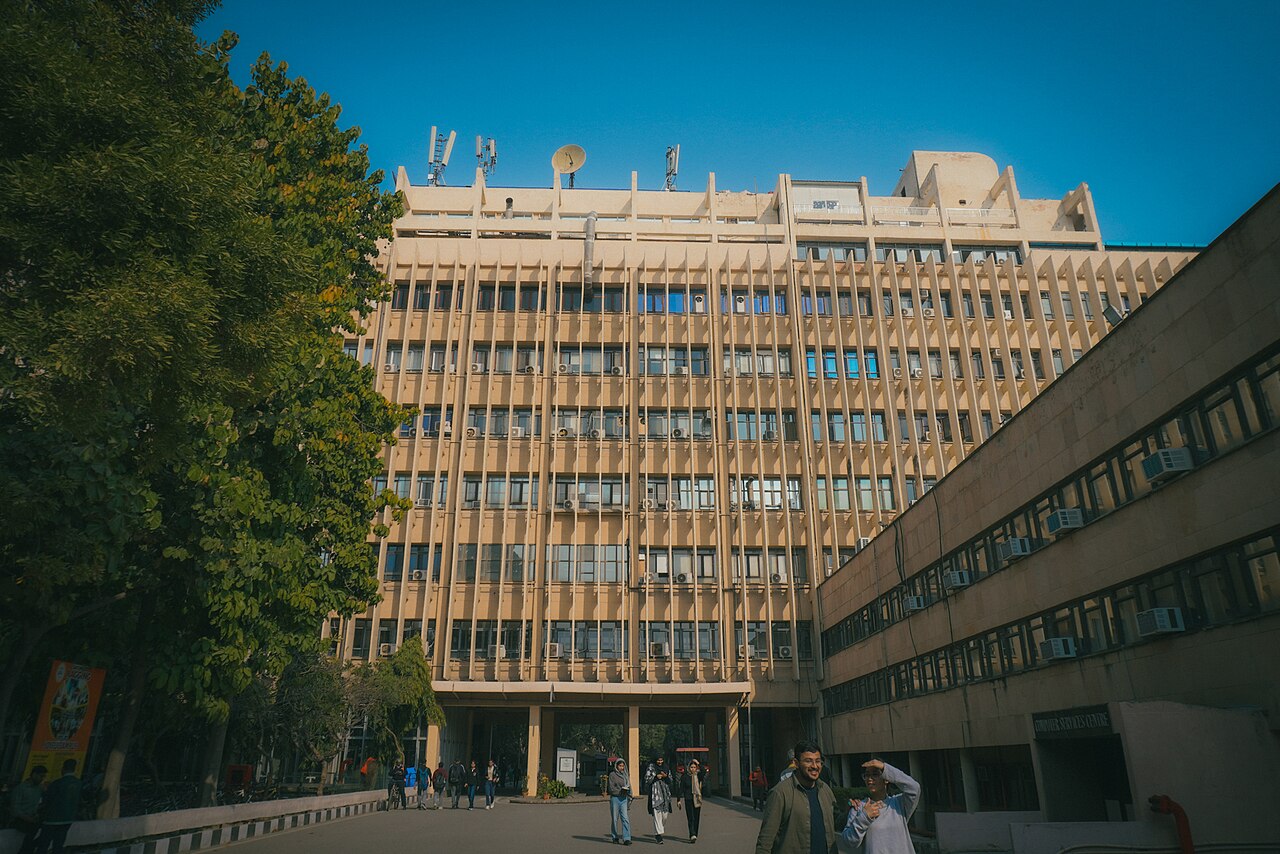
The IITs do not all use the word "biotechnology" in their branch names. Look for titles such as Biological Engineering, Biochemical Engineering or Biosciences and Bioengineering when filling your JoSAA choices.
1. IIT Madras
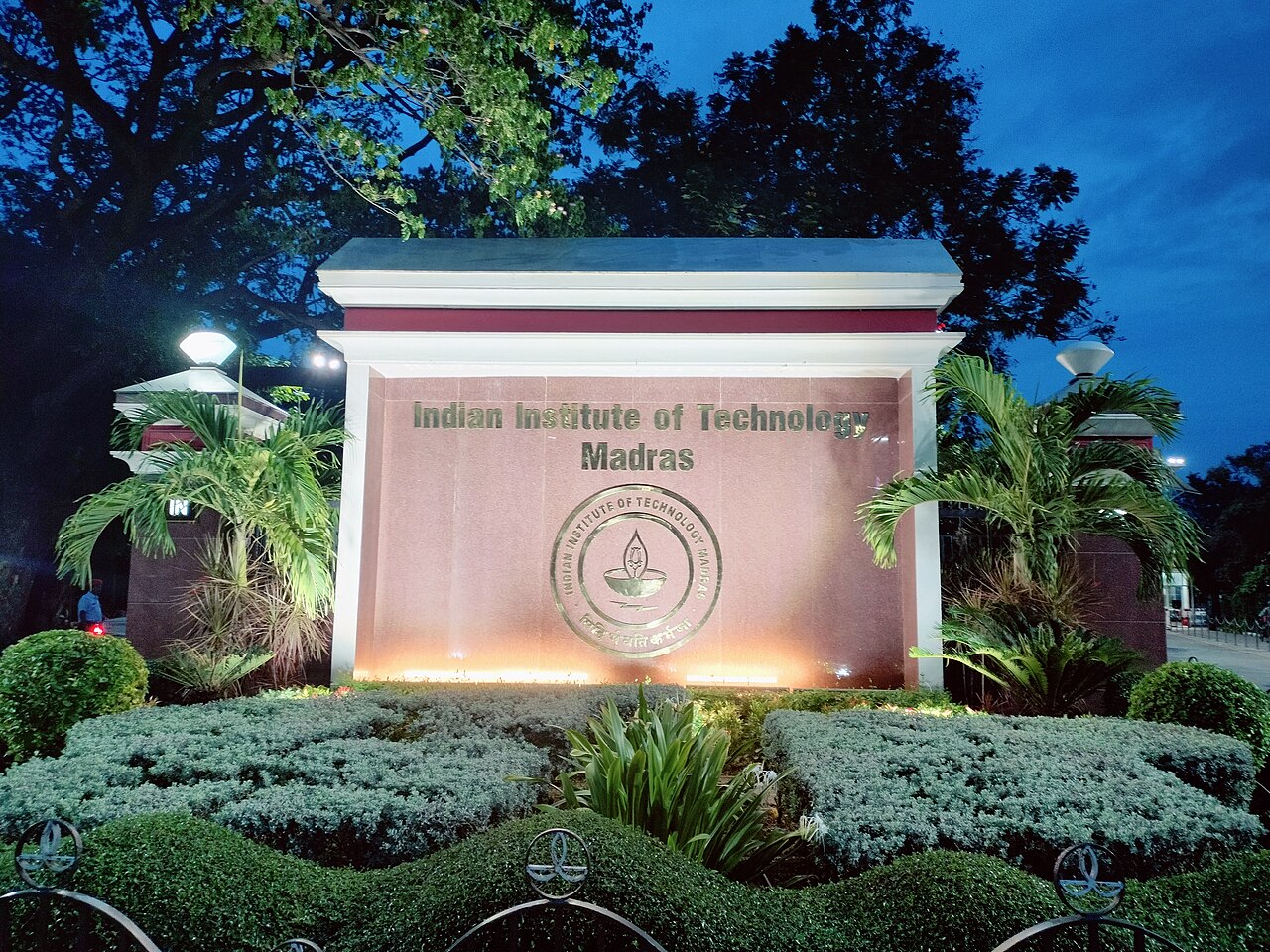
IIT Madras has held the top spot in the NIRF Engineering list for several years running. Its Department of Biotechnology runs a B.Tech and a dual degree in Biological Engineering, with strong research in computational biology, bioprocessing and medical technology.
- Established: 1959
- Type: Institute of National Importance
- NIRF 2025: Engineering rank 1
- Popular courses: B.Tech Biological Engineering, Dual Degree, M.Tech, PhD
- Admission via: JEE Advanced + JoSAA counselling
- Approx. fees: about ₹2–2.5 lakh per year (tuition plus other charges, 2025-26); fee waivers apply for eligible family incomes. Check the official IIT Madras website.
2. IIT Delhi
IIT Delhi's Department of Biochemical Engineering and Biotechnology offers a four-year B.Tech in Biochemical Engineering and Biotechnology through JEE Advanced. It is known for fermentation and bioprocess technology, and students can add a minor in another area.
- Established: 1961
- Type: Institute of National Importance
- NIRF 2025: Engineering rank 2
- Popular courses: B.Tech Biochemical Engineering and Biotechnology, M.Tech, PhD
- Admission via: JEE Advanced + JoSAA
- Approx. fees: about ₹2–2.5 lakh per year; see the official IIT Delhi website
4. IIT Kharagpur
The oldest IIT runs a four-year B.Tech and a five-year dual degree (B.Tech + M.Tech) in Biotechnology and Biochemical Engineering. Its large campus and broad set of electives make it a good fit if you want to keep options open across engineering and life sciences.
- Established: 1951
- Type: Institute of National Importance
- NIRF 2025: Engineering rank 5
- Admission via: JEE Advanced + JoSAA
- Approx. fees: similar to other IITs, about ₹2–2.5 lakh per year
5. IIT Roorkee
IIT Roorkee's Department of Biosciences and Bioengineering offers a B.Tech in Biosciences and Bioengineering. The institute traces its roots to 1847 and became an IIT in 2001.
- Type: Institute of National Importance
- NIRF 2025: Engineering rank 6
- Admission via: JEE Advanced + JoSAA
- Approx. fees: about ₹2–2.5 lakh per year
6. IIT Guwahati
IIT Guwahati has one of the larger bioengineering intakes among the IITs through its B.Tech in Biosciences and Bioengineering. The department works on areas such as drug delivery, tissue engineering and plant biotechnology.
- Established: 1994
- Type: Institute of National Importance
- NIRF 2025: Engineering rank 8
- Admission via: JEE Advanced + JoSAA
- Approx. fees: about ₹2–2.5 lakh per year
Note: Other IITs such as IIT Hyderabad, IIT (BHU) Varanasi and IIT Kanpur also run biology-linked undergraduate programmes. Branch names and seat numbers change, so always check the latest JoSAA seat matrix.
Best universities for B.Sc, BS and M.Sc biotechnology
If you prefer pure science and research over engineering, these universities are the main targets. Most of the top M.Sc Biotechnology seats in central institutions are filled through GAT-B, the national biotechnology entrance.
3. Indian Institute of Science (IISc), Bengaluru
IISc is India's top-ranked university under NIRF. Its four-year Bachelor of Science (Research) programme lets students major in Biology, among other subjects, with a strong focus on lab work and a research project in the final year.
- Established: 1909
- Type: Deemed university (public), funded by the Government of India
- NIRF 2025: University rank 1
- Admission via: JEE Advanced or IISER Aptitude Test (IAT); PCM in Class 12 required
- Approx. fees: much lower than private universities; check iisc.ac.in for the current schedule
7. Jawaharlal Nehru University (JNU), New Delhi
JNU's School of Biotechnology is one of the oldest DBT-supported M.Sc Biotechnology centres. For 2026-27, JNU admitted M.Sc Biotechnology students through GAT-B scores, with an intake of 30 seats.
- Established: 1969
- Type: Central University
- NIRF 2025: University rank 2
- Eligibility: bachelor's degree in science, agriculture, pharmacy, engineering, MBBS/BDS and similar fields with at least 55% marks
- Admission via: GAT-B
- Approx. fees: very low (central university rates)
8. Manipal Academy of Higher Education (MAHE)
MAHE's Manipal Institute of Technology offers a B.Tech in Biotechnology, while its life sciences schools run B.Sc and M.Sc options.
- Established: 1953
- Type: Deemed university (private)
- NIRF 2025: University rank 3
- Admission via: MET (Manipal Entrance Test)
- Approx. fees: roughly ₹2–3.5 lakh per year for B.Tech (varies by branch); confirm on manipal.edu
9. Jamia Millia Islamia, New Delhi
Jamia runs a well-regarded M.Sc Biotechnology programme. In recent cycles a part of the seats (around 10) has been filled through GAT-B scores, with the rest through the university's own process. Check the current prospectus for the exact split.
- Established: 1920
- Type: Central University
- NIRF 2025: University rank 4; Engineering rank 24
- Admission via: GAT-B / Jamia entrance (check prospectus)
- Approx. fees: low (central university rates)
10. Banaras Hindu University (BHU), Varanasi
BHU's School of Biotechnology offers an M.Sc in Biotechnology. For 2026-27, BHU invited applications from candidates with GAT-B 2026, CUET-PG 2026 or NCET 2026 scores for its M.Sc Biotechnology and related programmes.
- Established: 1916
- Type: Central University
- NIRF 2025: University rank 6
- Admission via: GAT-B / CUET-PG (as notified each year)
- Approx. fees: low (central university rates)
Top state and private biotech colleges
These institutes admit through JEE Main, state counselling or their own entrance tests. They offer more seats, which makes them realistic options for many students.
11. SRM Institute of Science and Technology, Chennai
- Established: 1985
- Type: Deemed university (private)
- NIRF 2025: Engineering rank 14
- Courses: B.Tech Biotechnology (plus specialisations), M.Tech, M.Sc
- Admission via: SRMJEEE
- Approx. fees: around ₹2.75 lakh per year at Kattankulathur (2025 figure)
12. Vellore Institute of Technology (VIT)
- Established: 1984
- Type: Deemed university (private)
- NIRF 2025: Engineering rank 16
- Courses: B.Tech Biotechnology, M.Tech, M.Sc
- Admission via: VITEEE
- Approx. fees: depends on the fee category; check vit.ac.in
13. Anna University, Chennai
Anna University runs a B.Tech in Industrial Biotechnology at Alagappa College of Technology on its Guindy campus. Admission is through TNEA, which uses Class 12 marks, so there is no separate entrance test for Tamil Nadu applicants.
- Established: 1978
- Type: State University
- NIRF 2025: Engineering rank 20
- Approx. fees: about ₹1.2–1.4 lakh for the full course (tuition), one of the most affordable options
14. NIT Warangal
- Established: 1959
- Type: Institute of National Importance
- NIRF 2025: Engineering rank 28
- Courses: B.Tech Biotechnology, M.Tech, PhD
- Admission via: JEE Main + JoSAA
- Approx. fees: around ₹1.25 lakh tuition per year (2024-25), plus hostel
15. Delhi Technological University (DTU)
- Established: 1941 (as Delhi Polytechnic)
- Type: State University (Delhi Government)
- NIRF 2025: Engineering rank 30
- Courses: B.Tech Biotechnology, M.Tech
- Admission via: JEE Main + JAC Delhi counselling
- Approx. fees: roughly ₹10–11 lakh for the full four years
16. Amity University, Noida
The Amity Institute of Biotechnology offers B.Tech, B.Sc (Hons), M.Sc and integrated options. It is a popular choice for students who want a wide menu of biotech specialisations in the Delhi NCR region, but fees are on the higher side.
- Established: 2005
- Type: Private University
- NIRF 2025: Engineering rank 37
- Admission via: Class 12 marks / Amity's own process
- Approx. fees: B.Tech can total ₹16–21 lakh; B.Sc (Hons) about ₹6–8 lakh (2025 figures)
Verify fees: Fees above are approximate, based on 2024-25 or 2025-26 data, and do not always include hostel and mess. Always confirm the latest fee notice on the official institute website before you apply.
Biotechnology courses you can choose
| Course | Duration | Who it suits | Typical entrance |
|---|---|---|---|
| B.Tech / BE Biotechnology | 4 years | PCM (or PCMB) students who like engineering and process work | JEE Main, JEE Advanced, state CETs, VITEEE, SRMJEEE, MET |
| Dual Degree (B.Tech + M.Tech) | 5 years | Students sure about a research-heavy career | JEE Advanced |
| B.Sc / BS Biotechnology or Biology | 3–4 years | PCB or PCM students who prefer pure science | CUET-UG, IAT, JEE Advanced (IISc), merit |
| Integrated B.Sc–M.Sc | 5 years | Students aiming for research and PhD | CUET-UG / university tests |
| M.Sc Biotechnology | 2 years | Graduates in life sciences, pharmacy, agriculture, engineering | GAT-B, CUET-PG, university tests |
| M.Tech Biotechnology | 2 years | B.Tech graduates | GATE (BT or XL paper) |
How admission to biotechnology colleges works
- Choose your track in Class 12: PCM opens B.Tech and IISc BS routes. PCB opens most B.Sc programmes; some B.Tech biotech seats in private and state colleges also accept PCB, so check eligibility.
- B.Tech at IITs: Clear JEE Main, then JEE Advanced, and fill biotech or bioengineering branches during JoSAA counselling.
- B.Tech at NITs and state colleges: Use your JEE Main rank in JoSAA/CSAB (NITs) or state counselling such as JAC Delhi (DTU) or TNEA (Anna University, based on Class 12 marks).
- Private universities: Write their own tests: VITEEE (VIT), SRMJEEE (SRM), MET (Manipal), or follow merit-based admission (Amity).
- B.Sc at central universities: Apply through CUET-UG, conducted by NTA.
- M.Sc Biotechnology: Write GAT-B (Graduate Aptitude Test – Biotechnology). In 2026 it was held on 17 May as a computer-based test by NTA on behalf of the Regional Centre for Biotechnology (RCB) for the Department of Biotechnology (DBT). Each participating university runs its own counselling. BET (Biotechnology Eligibility Test) is a separate paper held the same day for the DBT-JRF fellowship, not for M.Sc admission.
- M.Tech / PhD: GATE (Biotechnology or Life Sciences paper), plus institute interviews.
Tip: GAT-B and CUET-PG are both used for M.Sc biotech in different universities. Many students write both to keep more options open.
How to choose the right biotechnology college
- Engineering or science? B.Tech suits bioprocess, pharma manufacturing and biomedical devices. B.Sc/M.Sc suits research, diagnostics and academic careers.
- Look at the department, not just the brand: Check faculty profiles, lab facilities, DBT or other funded projects and recent publications.
- Check placement data for the biotech branch: Overall institute packages often hide the fact that core biotech roles pay less than software roles. Ask for branch-wise data.
- Total cost: Compare full-course fees plus hostel. A state or central university can cost a fraction of a private one.
- Internships and research exposure: Summer research programmes at IISc, IITs and national labs add real value to your profile.
Career scope after biotechnology
Biotech graduates work in pharmaceuticals, vaccines, biologics, food processing, agriculture, diagnostics, environmental technology and, increasingly, bioinformatics. Common roles include research associate, quality control or quality assurance analyst, process engineer, clinical research associate and data scientist in genomics.
Starting salaries vary widely. Core biotech jobs after a bachelor's degree often start modestly, while graduates from top IITs who move into analytics, consulting or product roles can earn much more. An M.Sc, M.Tech or PhD usually improves your options in research and development. Government routes include DBT-JRF fellowships through BET, CSIR-NET and scientist posts at national labs.
Worried about college fees? Thousands of students reduce their fees every year with the AISEE merit scholarship. Practise free with the AISEE test series and apply online in minutes.
Scholarships and funding for biotech students
Funding can make a big difference, especially at private universities. Here are the main options:
- Central and state scholarships: Apply on the National Scholarship Portal (NSP) for merit-cum-means and post-matric schemes, and check your state's portal.
- IIT and NIT fee waivers: Full or partial tuition waivers are available based on family income and category.
- DBT support: DBT-supported M.Sc programmes and DBT-JRF fellowships help students who choose research.
- INSPIRE (DST): The INSPIRE scholarship supports top-performing students in natural and basic science courses.
- Institute scholarships: VIT, SRM, Manipal and Amity offer merit-based fee concessions linked to entrance ranks or Class 12 marks.
You can also take the AISEE scholarship exam for college students, a national test that helps students reduce their college fees. Browse more options in our guide to scholarships after 12th in India, and try the free test series to prepare.
Frequently asked questions
Does NIRF publish a separate ranking for biotechnology colleges?
No. NIRF has categories such as Overall, University, Engineering, Pharmacy, Medical and Research, but no biotechnology category. That is why this guide uses NIRF Engineering ranks for B.Tech institutes and NIRF University ranks for science-focused universities.
Which IITs offer B.Tech in biotechnology?
Several IITs offer biotech-related B.Tech programmes under different names: Biological Engineering at IIT Madras, Biochemical Engineering and Biotechnology at IIT Delhi, Biotechnology and Biochemical Engineering at IIT Kharagpur, and Biosciences and Bioengineering at IIT Guwahati and IIT Roorkee. Check the current JoSAA seat matrix for the full list.
What is GAT-B and is it still held?
Yes. GAT-B (Graduate Aptitude Test – Biotechnology) is the national entrance for DBT-supported M.Sc, M.Tech and allied biotech programmes. The 2026 exam was held on 17 May by NTA on behalf of DBT. BET, held on the same day, is a separate test for the DBT-JRF fellowship.
Can PCB students take admission in B.Tech biotechnology?
Some private and state universities accept PCB students for B.Tech biotechnology, but IITs and NITs require mathematics in Class 12. PCB students can always choose B.Sc biotechnology through CUET-UG or university merit lists.
What are the fees for biotechnology in India?
Fees vary a lot. Central universities such as JNU and BHU charge very low fees, IITs charge roughly ₹2–2.5 lakh per year, and private universities can cost ₹10–21 lakh for a full B.Tech. Always check the latest fee notice on the official website.
Is biotechnology a good career option in 2026?
Yes, if you are interested in research, healthcare or industrial biology. India's biopharma, vaccine and diagnostics sectors continue to hire, but the best roles usually go to students with higher degrees, strong lab skills or added skills such as bioinformatics and data analysis.
Which is better for biotechnology, B.Tech or B.Sc?
Choose B.Tech if you want an engineering degree and industry roles in bioprocessing or biomedical technology. Choose B.Sc followed by an M.Sc if you lean towards research, teaching or a PhD.
Conclusion: picking from the top biotechnology colleges in India
The top biotechnology colleges in India range from IITs like Madras and Delhi for B.Tech, to IISc, JNU, Jamia and BHU for science and M.Sc routes, and private options like SRM, VIT, Manipal and Amity. Decide first whether you want engineering or pure science, then target the right entrance: JEE, CUET or GAT-B.
Next step: shortlist five colleges from the table, note their 2027 entrance dates, and check the AISEE scholarship exam dates so you can plan funding alongside admission.
Up to 100% tuition fee scholarship for Engineering, Medical and college students.